Top 10 Best Beaches in the Caribbean
1. Grace Bay Beach, Turks and Caicos
2. Seven Mile Beach, Grand Cayman
Despite the name, Seven Mile Beach measures around 6.3 miles, because storms have trimmed it over decades, and Hurricane Helene in 2024 accelerated the erosion significantly. One practical reason the water is so clear: Grand Cayman has no rivers, meaning zero runoff clouding the sea. Underwater visibility ranges from 20 to 30 meters. The northern end, around Cemetery Beach, is the quietest stretch and has the best accessible shore snorkeling. Just offshore, you can find USS Kittiwake – a decommissioned US Navy ship deliberately sunk in 2011 as a dive and snorkel site. The main central stretch is busier, and the sandy bottom makes shore snorkeling poor there.
3. Eagle Beach, Aruba
4. Flamenco Beach, Puerto Rico
5. Pink Sands Beach, Bahamas
Pink Sands Beach is on Harbor Island (locals call it “Briland”), a 3.5-mile island with under 2,000 residents and no cars, just golf carts. Getting here from Nassau requires a flight to North Eleuthera Airport, then a water taxi, for a total of around 20 minutes. The pink color is subtle – more a blush than bright pink, most visible in wet sand at the waterline or early morning before the sun washes it out. The hue comes from microscopic foraminifera organisms whose reddish shells mix into the sand. The beach is three miles long, rarely crowded, and has limited facilities, with only a handful of boutique hotels.
6. Shoal Bay, Anguilla
7. Anse Source d'Argent, Seychelles (Located on La Digue)
8. Pink Beach, Barbuda
9. Playa Paraiso, Cuba
10. Varadero Beach, Cuba
Varadero runs 20 kilometers along the Peninsula de Hicacos – Cuba’s largest resort zone and the most visited destination on the island. The beach itself is impressive: fine white sand, calm water, consistent quality along the full stretch. What most visitors don’t realize is that Cubans are largely kept out of the resort zone because it operates as a parallel tourist economy, notably different from the rest of the island. The Xanadu Mansion, a 1930s estate built by American millionaire Irénée du Pont, is located at the peninsula’s tip and is now a restaurant and golf clubhouse. About 90 minutes from Havana by road.
Best Beaches in the Caribbean for Families
Grace Bay, Turks and Caicos
Shallow, calm water protected by an offshore reef, consistent conditions year-round, and a solid range of family resorts directly on the beach. The sandy bottom means no rocks, and the water stays waist-deep well offshore.
Grand Cul-de-Sac, St. Barts
A protected lagoon with shallow water across most of the bay so that children can move around freely without much parental anxiety. Sea turtles come into the western section most mornings, which often makes an impression on young visitors.
Flamenco Beach, Culebra, Puerto Rico
Sheltered horseshoe bay, lifeguards on duty, calm water, and facilities including showers and food kiosks on site. Getting here requires a short ferry ride or flight from the mainland of Puerto Rico.
Best Caribbean Beaches for Swimming and Snorkeling
Grand Cayman – Cemetery Beach
The northern end of Seven Mile Beach is quieter than the main strip, with a reef accessible directly from shore. The USS Kittiwake wreck sits just offshore, so snorkelers can explore the upper structure in shallow water without diving certification.
Shoal Bay East, Anguilla
Reef starts close to shore at the eastern end, accessible with a short swim. Calm, clear water with good visibility year-round. Sea turtles, rays, and colorful reef fish are reliably spotted, no boat needed.
Trunk Bay, US Virgin Islands
Marked underwater snorkeling trail on the reef, managed by the National Park Service. Clear shallow water, good for beginners. But it gets busy midday, so arrive early or late afternoon for the best experience and least boat traffic.
Famous Beaches in the Caribbean: A Blend of History and Beauty
Shoal Bay East, Anguilla
Princess Diana visited regularly in the 1990s because of the island’s near-total absence of paparazzi and mass tourism. The beach became one of the most famous beaches in the Caribbean through those visits – locals still mention it, and a nearby beach was renamed in her honor in 2011.
Pink Beach, Barbuda
Barbuda was granted to the Codrington family by the British Crown in 1685 and operated essentially as a private island for nearly 200 years, used largely for provisioning enslaved people to other Caribbean colonies. The island’s population today is still under 2,000.
Seven Mile Beach, Grand Cayman
The Cayman Islands were an accidental British territory – sailors shipwrecked here in the 1600s, and permanent settlement followed. The beach remained largely undeveloped until the 1980s, when the first luxury resorts arrived and transformed it into one of the Caribbean’s main tourist destinations within a decade.
Eagle Beach, Aruba
Aruba changed hands repeatedly between Spain, the Netherlands, and Britain before becoming a Dutch territory. During World War II, the island became strategically critical because of the nearby oil refinery at San Nicolas, which processed Venezuelan crude for the Allied war effort, making Aruba one of the most important industrial sites in the Western Hemisphere.
Practical Tips for Enjoying the Best Beaches in the Caribbean
- Arrive early. Most popular Caribbean beaches get busy by mid-morning. Before 9 am means quieter water, better parking, and clearer conditions for snorkeling.
- Check the tide. Several beaches change significantly with the tide. Low tide at the wrong beach means shallow, murky water and exposed coral.
- Use reef-safe sunscreen. Chemical sunscreens are banned or restricted around marine protected areas across the Caribbean. Zinc oxide or titanium dioxide only.
- Morning water is calmer. Trade winds pick up across most of the Caribbean through the afternoon, affecting swimming and paddleboarding.
- Some of the best beaches in the Caribbean have no facilities. Barbuda’s Pink Beach and Colombier on St. Barts have nothing on site. Bring water, food, and shade.
- Pack water shoes. Rocky entry points and shell-based sand make bare feet uncomfortable at several otherwise best beaches in the Caribbean.
- Travel insurance is non-negotiable if visiting between August and October. Peak hurricane risk – and many policies exclude storm-related cancellations without it.
Why St. Barts Belongs on Any Caribbean Beach List
St. Barts is one of the French Caribbean islands and doesn’t have one standout beach – it has several that would each make a list on their own. Colombier is a protected marine reserve reachable only by boat or a 20-minute hike, with turtles most mornings and no facilities by design. Saline and Gouverneur are wide, calm, and deliberately undeveloped. St. Jean is shallow and sheltered, with small planes landing overhead throughout the day. Grand Cul-de-Sac is a protected lagoon where children can wade far from shore without concern.
The island’s no-mass-tourism policy keeps them all uncrowded, even in high season.
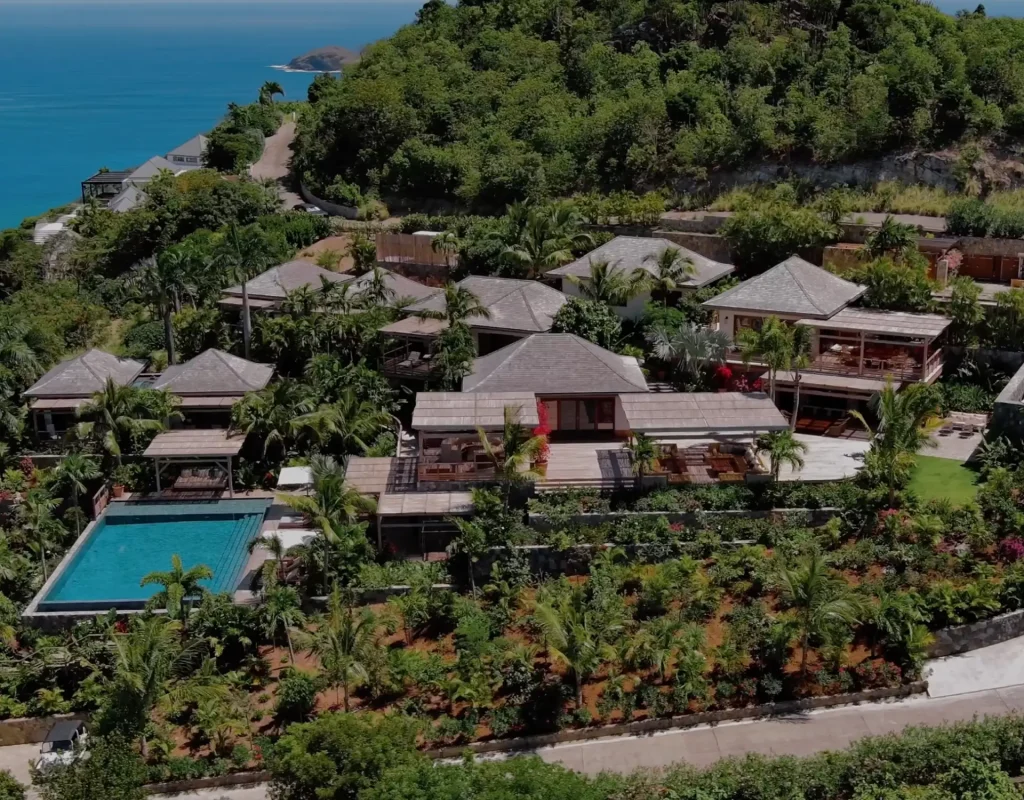
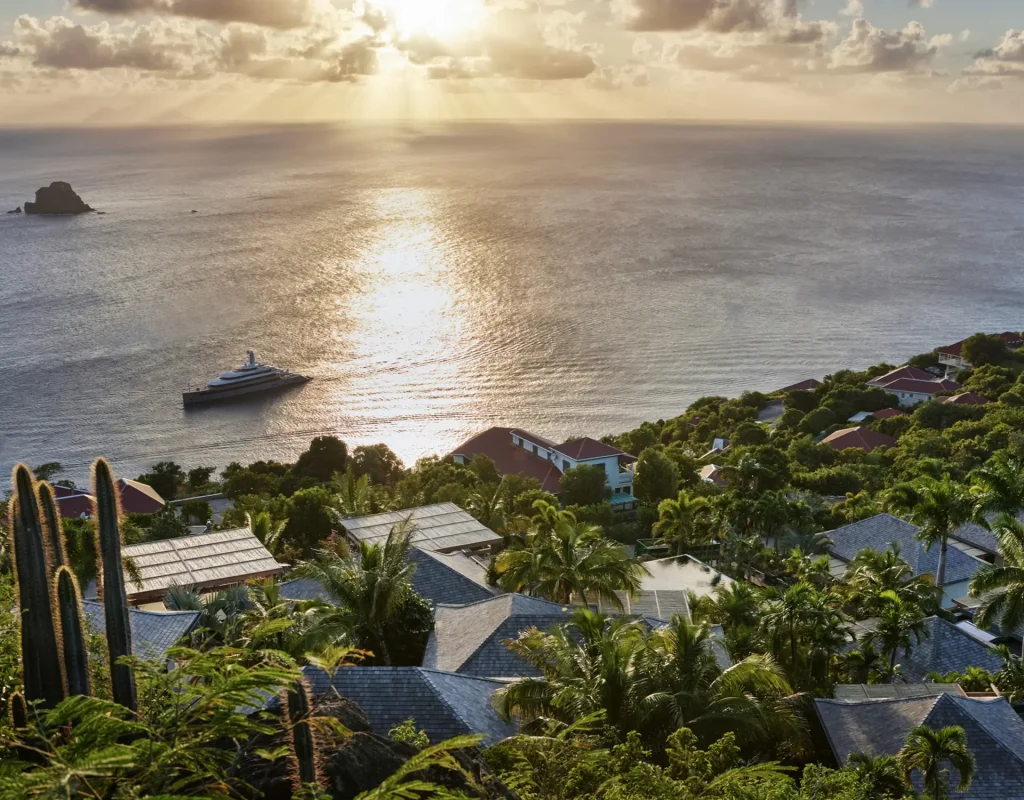
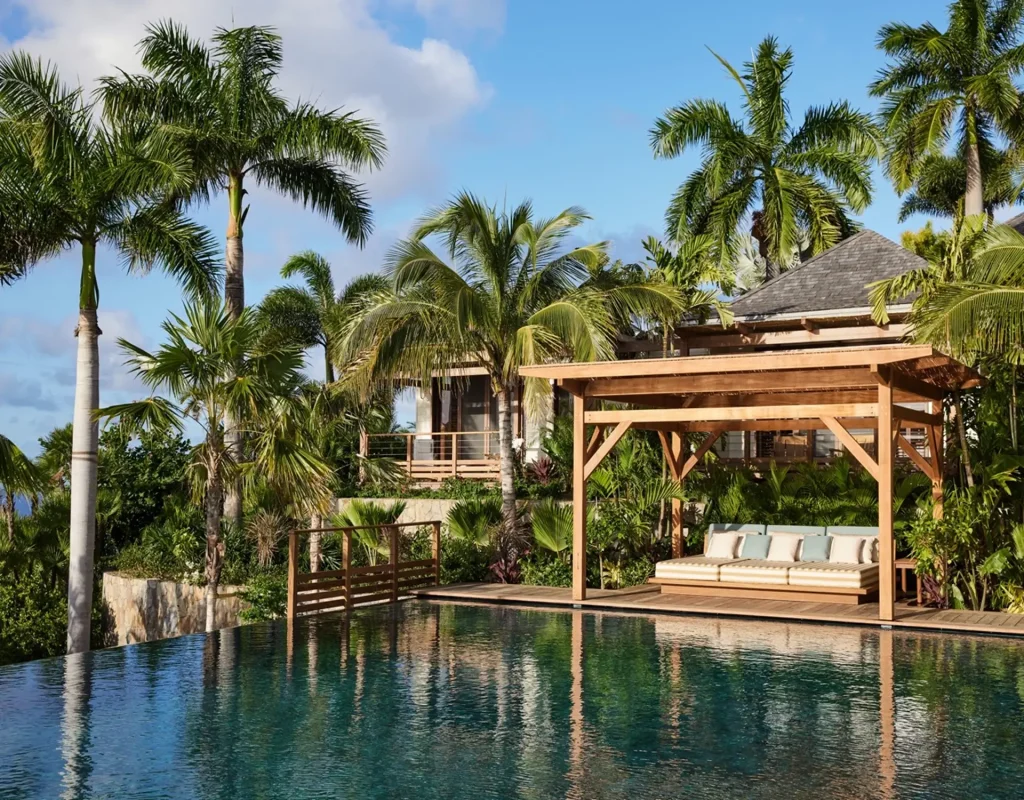
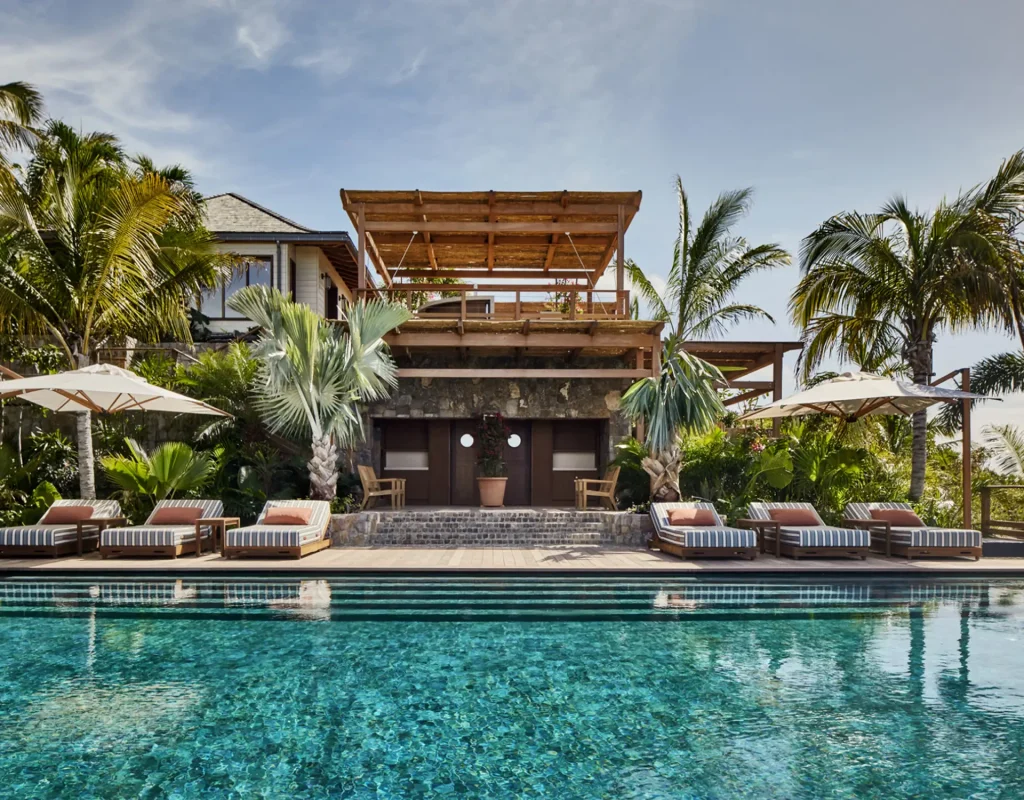
For a base, Villa Nyx is a St Barts villa located right above Colombier Beach with six bedrooms, a private pool, a private chef, and a concierge who can arrange St Barts boat excursions and charters, beach transfers, and whatever else the day requires. Most of St. Barts’ best beaches are within 15 minutes.
If you’re interested, give us a call.
Contact: +590 590 29 83 00 |
Book Villa Nyx