Top French Caribbean Islands for Your Vacation
1. St. Barts: The Ultimate in Luxury and Seclusion
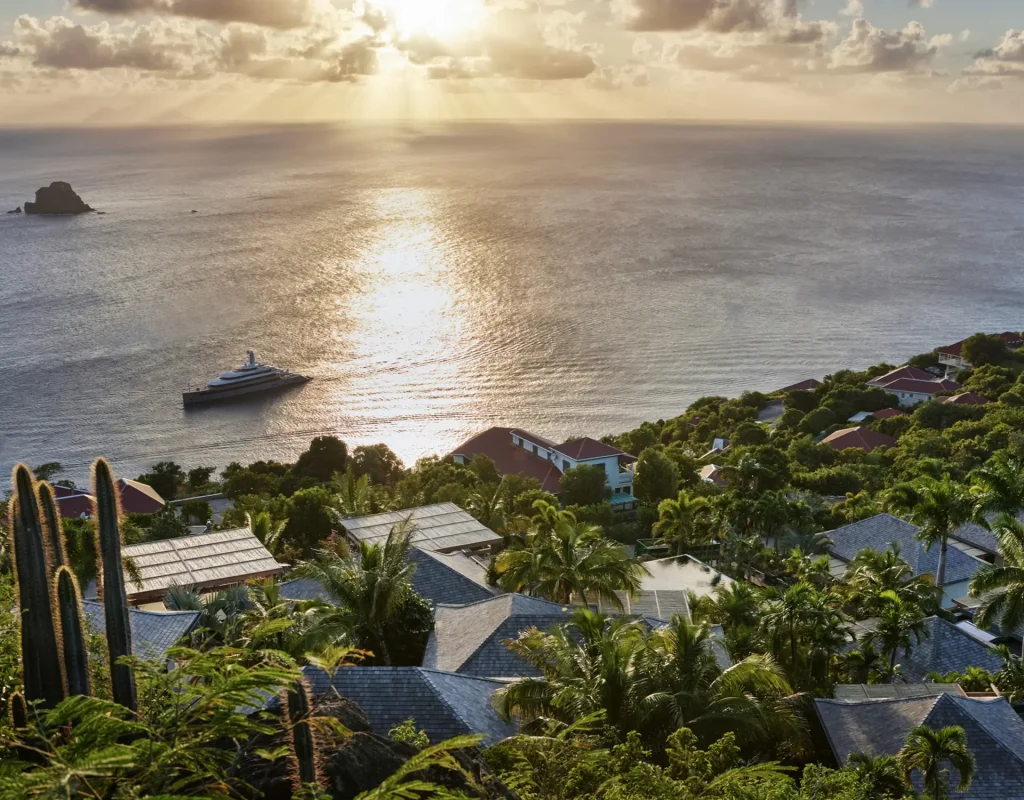
St. Barts is 25 square kilometers of upscale French Caribbean. There’s no mass tourism, no cruise ship piers, no all-inclusive resorts. The beaches are calm and mostly uncrowded, the restaurants are genuinely good, and the infrastructure is quietly efficient. The downsides include high prices across the board, the need to connect through Sint Maarten or Guadeloupe to get here, and little in the way of organized activities or cultural depth. If you want to make the transition as smooth as possible, consider a private jet to St Barts instead of commercial flights to local hubs. For travelers who want privacy, good food, and beautiful beaches without a packed itinerary, it’s a good choice, since St. Barts consistently ranks among the best beaches in the Caribbean.
2. Guadeloupe: A Tropical Paradise for Nature Lovers
3. Martinique: A Blend of French Culture and Caribbean Charm
4. Saint Martin: Where French and Dutch Cultures Meet
The French side (Saint Martin) is among the French-speaking Caribbean islands and has the best restaurants and quieter beaches. Grand Case is a single street lined with excellent Creole and French restaurants, with mains priced at €20-35. The Dutch side (Sint Maarten) has the airport, casinos, duty-free shopping, and considerably more nightlife. Maho Beach on the Dutch side is worth knowing: planes land directly over the beach, close enough that the jet blast often knocks people over. It’s a spectacle and one of the few genuinely free activities on the island. More affordable than St. Barts overall, but the Dutch side in particular can feel overrun with cruise ship crowds during peak season. For those weighing St Martin vs St Barts, the short version is: Saint Martin for variety and value, St. Barts for privacy and quiet.
What Makes French Caribbean Islands Unique?
These French islands in the Caribbean are departments or collectivities – not colonies or territories in the loose sense, but legally part of France. That means EU consumer protections apply, the euro is the currency, and healthcare standards match mainland France. Practically, it means the bread is good, the coffee is taken seriously, and wine appears on menus where other Caribbean islands serve rum exclusively.
The food culture is the most tangible difference. Creole-French cooking with fresh seafood, butter sauces, and local spices reaches a standard you won’t find on most English-speaking islands. Martinique’s rum is AOC-protected, like Champagne or Bordeaux, making it the only rum in the world with that designation.
When to Visit the French Caribbean Islands?
December through April is peak season – dry, with minimal rain, and trade winds. St. Barts fills up entirely, prices across all French islands in the Caribbean are at their highest, and the best properties book out months ahead. New Year’s week is the absolute peak – rates can double.
May through November is the wet season, with hurricane risk peaking in August-October. Rain usually comes in short bursts rather than all-day downpours, and prices drop 30-40%. Some St. Barts restaurants close entirely from late August through mid-October.
A few practical notes:
- May and early June are the best compromise – acceptable prices, decent weather, and uncrowded beaches.
- July and August get busy again with French tourists on summer holiday, particularly on Guadeloupe and Martinique.
- Carnival in February on Martinique and Guadeloupe is worth planning around – or avoiding, depending on your preference for crowds.
- Travel insurance is a must-have if visiting between August and October.
French Caribbean Cuisine You Can’t Miss
Accras de morue – salt cod fritters, €4-8, found everywhere, quality varies. Boudin créole – spiced blood sausage from street stalls, €2-3. Colombo – French Caribbean curry, usually made with goat or chicken, brought by Indian workers in the 19th century; mains around €14-18 at a local restaurant.
If you visit Martinique, the rum is AOC-protected – the only rum in the world with that designation. Rhum agricole is made from fresh sugarcane juice rather than molasses, which gives it a grassy, complex flavor. Distillery visits at Depaz or Saint James cost €10-15 and include tastings. Ti’ punch (rum, cane syrup, lime) is the standard aperitif, €4-7 at a bar.
At Guadelupe, Langouste grillée – grilled spiny lobster with butter or chien sauce (hot pepper, onion, vinegar). A half-lobster at a beachside restaurant costs €25-35. Blaf – white fish poached in court-bouillon with chili and lime, usually €16-22.
If you’re on St. Barts, expect French rather than Creole – bistro cooking with Caribbean ingredients. Lionfish has appeared on menus recently – an invasive species with no local predators, chefs are actively promoting it as a sustainable choice. Mains at a mid-range restaurant cost €30-45.
St. Barts as Your Base for the French Caribbean
If St. Barts is what you choose as your main destination, the surrounding islands are closer than most people realize. Sint Maarten is 15 minutes by helicopter or 45 minutes by ferry – an easy day trip. Anguilla is similarly close. The French side of Saint Martin, with its restaurants and beaches, is reachable and back in an afternoon. St Barts boat excursions are also worth building into the week – the best snorkeling, secluded beaches, and neighboring islands are all easier to reach by water than by any other means.
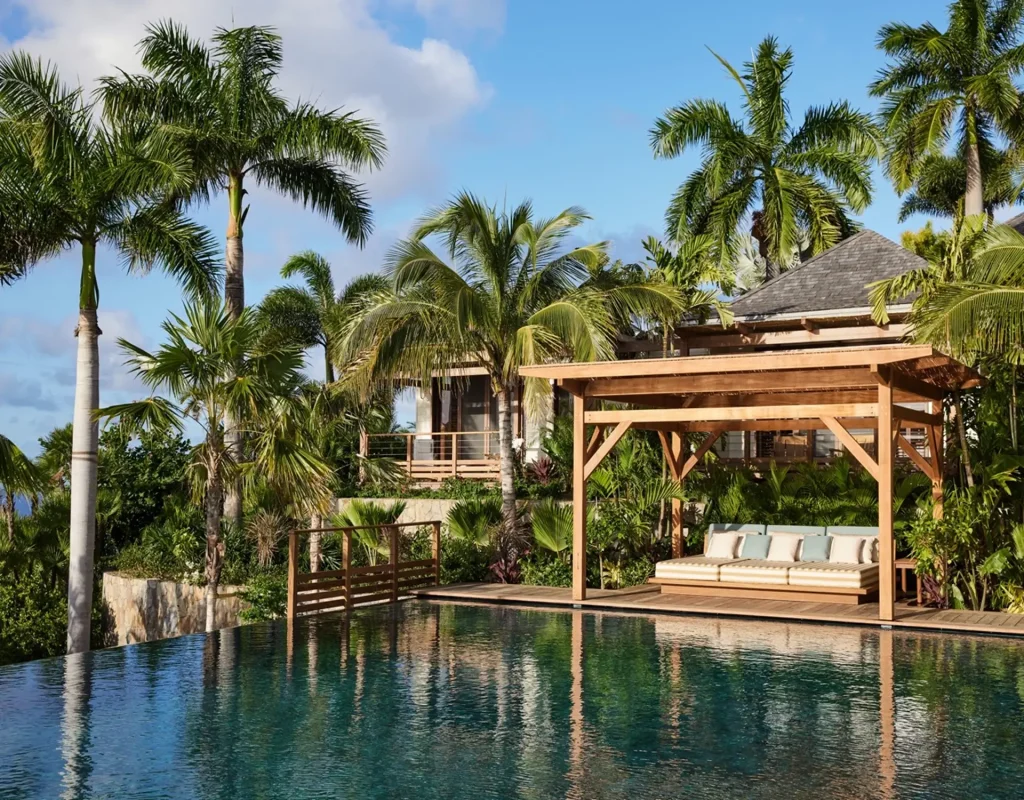
Having a private St Barts villa as your base makes that kind of vacation straightforward. You leave in the morning, spend the day on another island, and return to your own pool and kitchen in the evening. No hotel checkouts, no crowds, and no logistics to manage.
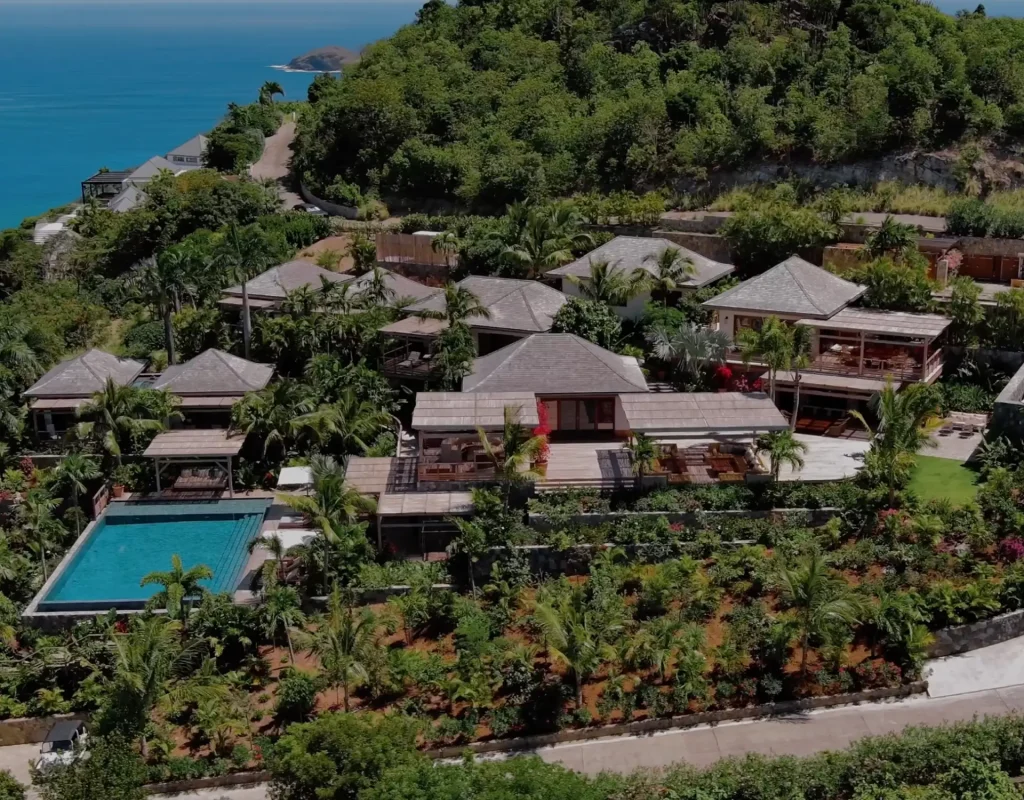
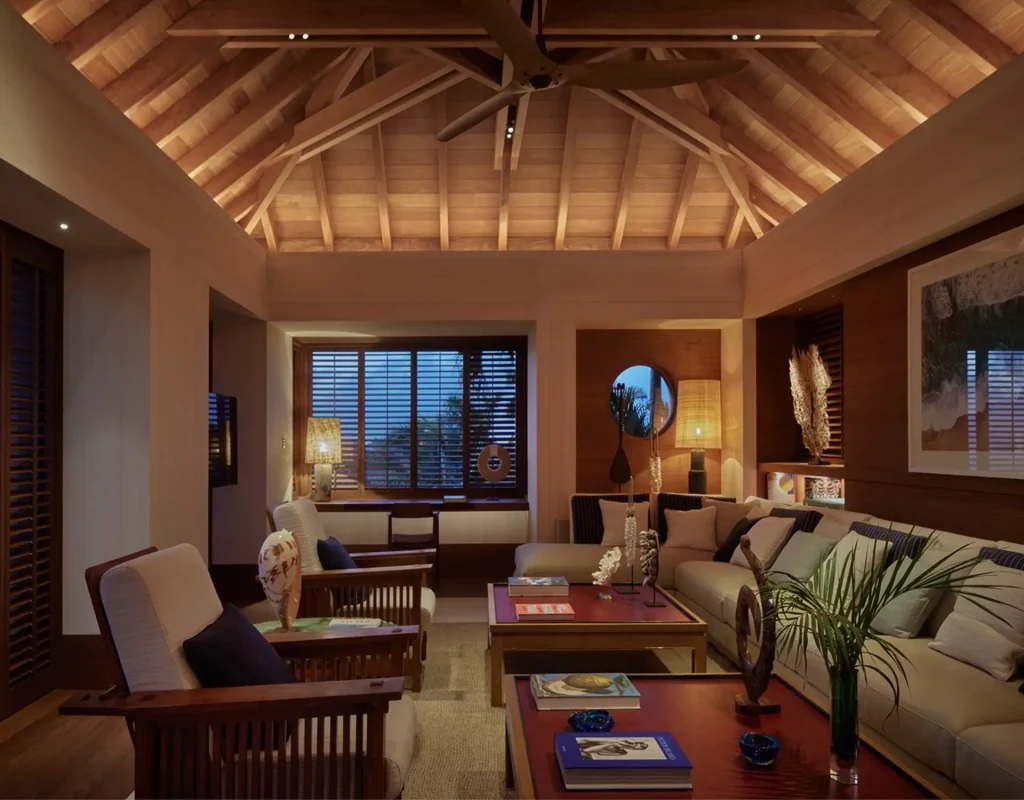
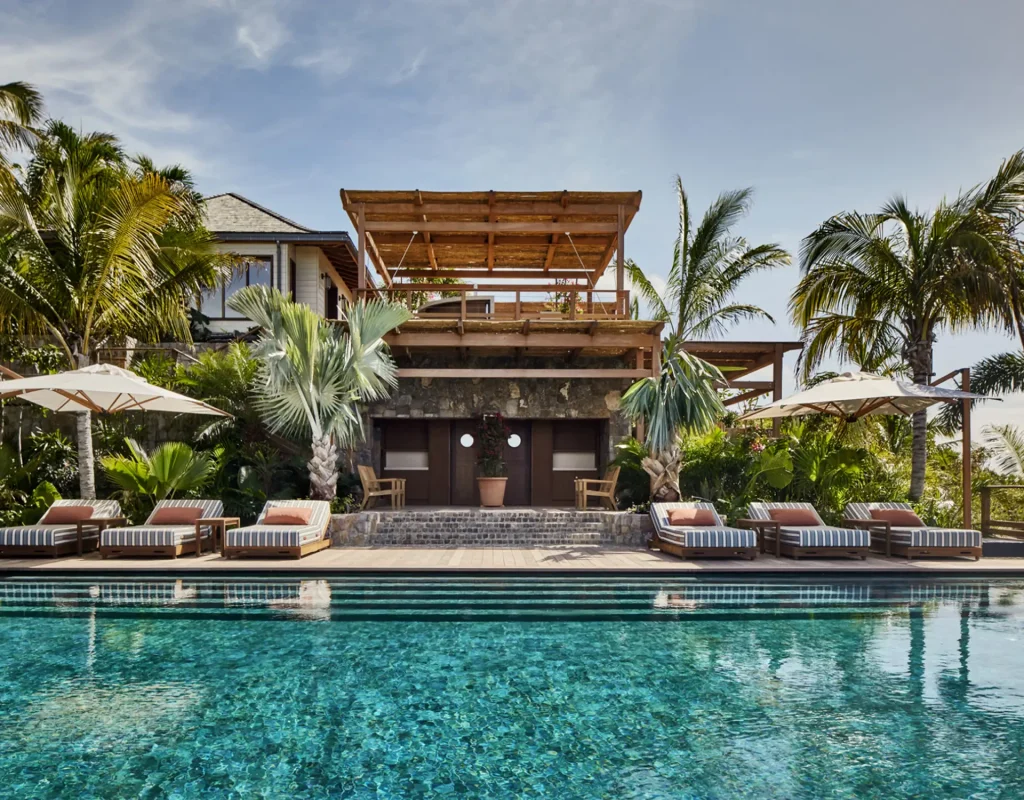
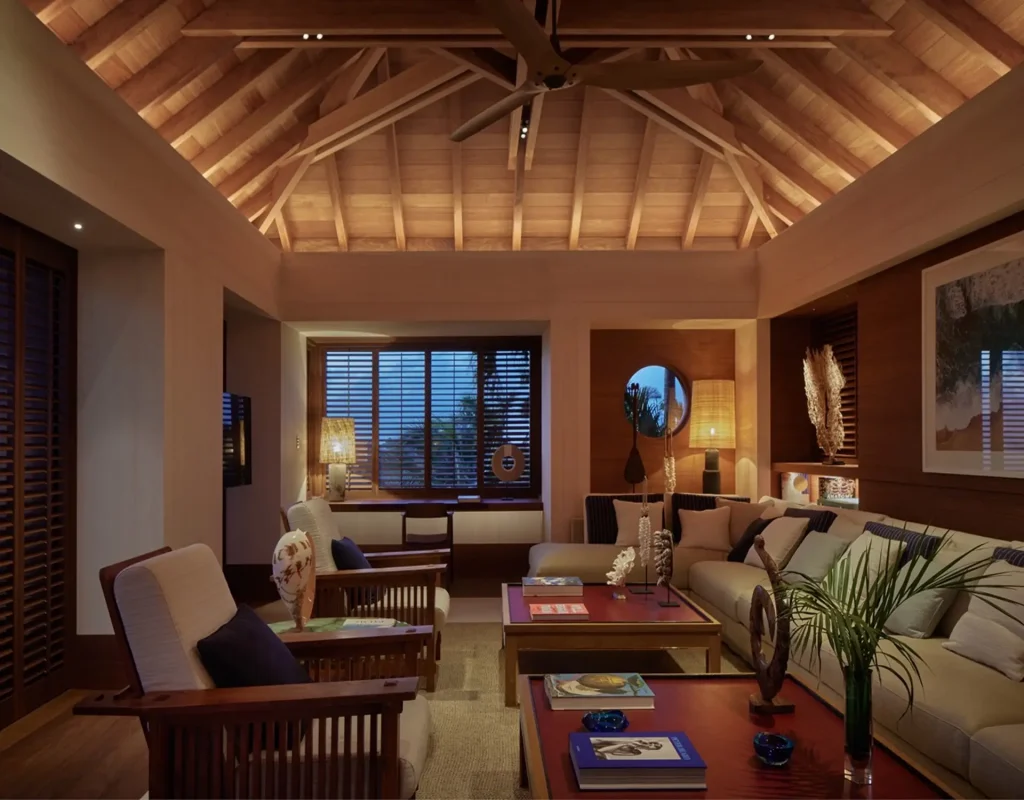
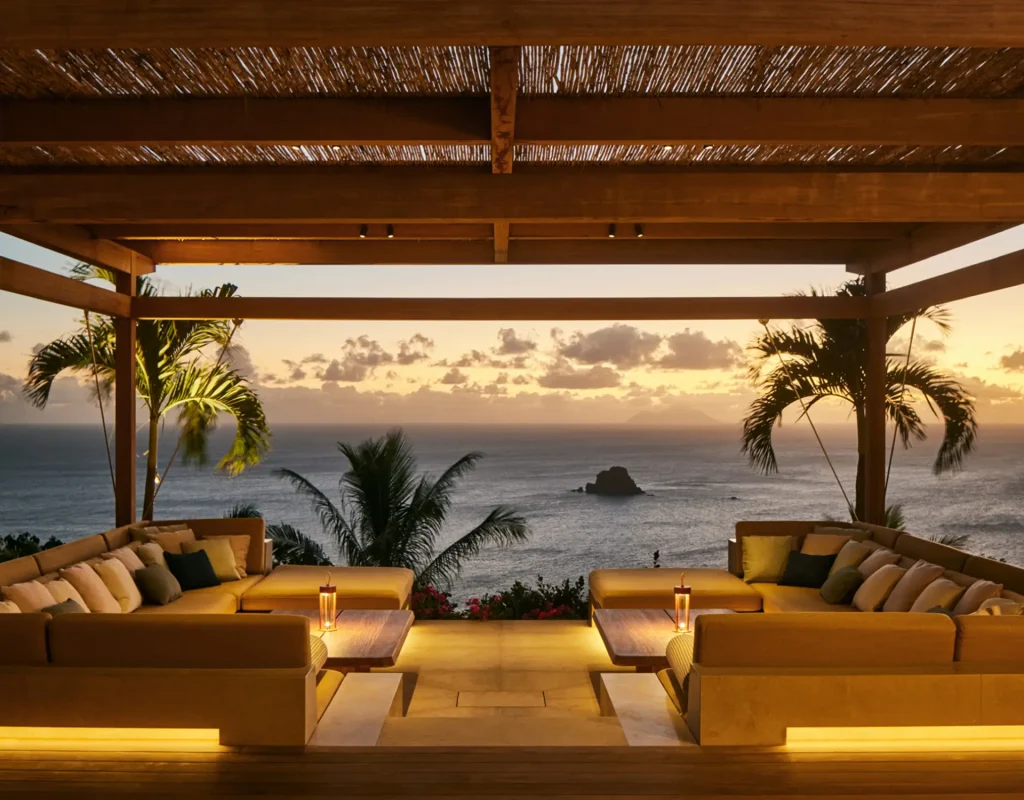
Villa Nyx is located above Colombier Beach with six bedrooms, a private chef, and a concierge who can arrange the ferry, the helicopter transfer, or the boat charter – whichever you prefer. St. Barts is the right base. The rest follows from there.
If you’re interested in exploring St. Barts or the closest islands, it’s worth getting in touch.
Contact: +590 590 29 83 00 |
Book Villa Nyx